

The remains an ever-changing field rich in evolution, but today it faces unprecedented challenges capable of reshaping the automotive landscape. With the rapid advancement of EVs to the shifting tastes for sustainable options, companies navigate an intricate landscape of developments that could redefine their market. Motorbike fans are experiencing the effects, as the adoption of electric tech extends beyond cars and two-wheeled vehicles and motorcycles, advocating for sustainable alternatives in a traditionally fuel-driven industry.
As we look into the most recent updates in the auto world, one realizes the fact that the journey ahead is filled with challenges. From manufacturing supply chain issues to the race for technological advancements in driverless cars, the automotive industry is seeking solutions to keep its advantage. Amid new car reviews and information about supercars, vans, and campervans constantly emerging, the focus on auto tech has never been more important. Comprehending the current landscape of automotive news, such as electric vehicle updates and general auto industry updates, is crucial for anyone wanting to keep up to date in this quickly transforming field.
Actual Developments in the Vehicle Industry
The auto sector is witnessing a substantial shift towards electrification. The growth of battery-powered cars, or EVs, is taking over attention in auto media. A growing number of manufacturers are launching EV models, driven by both public demand for eco-friendly alternatives and tighter emissions regulations. This trend is transforming the car industry, spurring advancements in battery systems and charging infrastructure, as firms strive to capture a greater portion of the growing EV market.
In parallel to electric mobility, connectivity features and technology integration are growing to be central themes in vehicle sector coverage. Vehicles are now outfitted with complex infotainment systems and ADAs. These technologies are enhancing the driving enjoyment and improving road safety on the streets. Reports on auto tech is buzzing with developments in self-driving technology, with numerous producers testing autonomous features in actual environments, indicating a future where vehicles could run with minimal human input.
The demand for eco-friendliness is also influencing developments in vehicle creation. Manufacturers are zeroing in on eco-friendly production processes and materials, conforming with market preferences for greener options. From sustainable manufacturing practices to the launch of electric vans and mobile homes, the vehicle sector is growing. Current news on vehicles highlights how companies are not just transitioning to EVs but are also rethinking the entire lifecycle of their goods to minimize their environmental impact.
Challenges in Electric Vehicle Acceptance
As the car industry transitions towards electric vehicles, several obstacles impede widespread acceptance. One major hurdle is the lack of electricity infrastructure. While urban areas may have systems of electricity points, rural locations often remain underserved. This leads to range concerns among prospective EV buyers, as they are concerned about depleting of battery power far from charging options. Inadequate infrastructure can discourage consumers from transitioning to the switch to electric, restricting the market's expansion.
Another major challenge is the initial cost of electric vehicles. Despite decreasing prices and state incentives, many consumers still consider EVs as more expensive than traditional gasoline-powered cars. The idea of high upfront costs can dissuade buyers, especially in price-sensitive markets. Additionally, the cost of batteries remains a crucial factor and affects the overall cost structure of electric vehicles. Without achieving a lower price point, broader market acceptance may require more time than expected.
Finally, consumer education plays a pivotal role in the adoption of electric vehicles. Many potential buyers remain unaware of the advantages of EVs or harbor false beliefs about their capabilities, maintenance, and longevity. Without proper knowledge, consumers may be reluctant to embrace this new technology. MotorHype and supporters must focus on awareness campaigns to educate the public about the advantages of electric vehicles, paving the way for greater acceptance and adoption in the automotive sector.
The Future of Motorcycles and Supercars
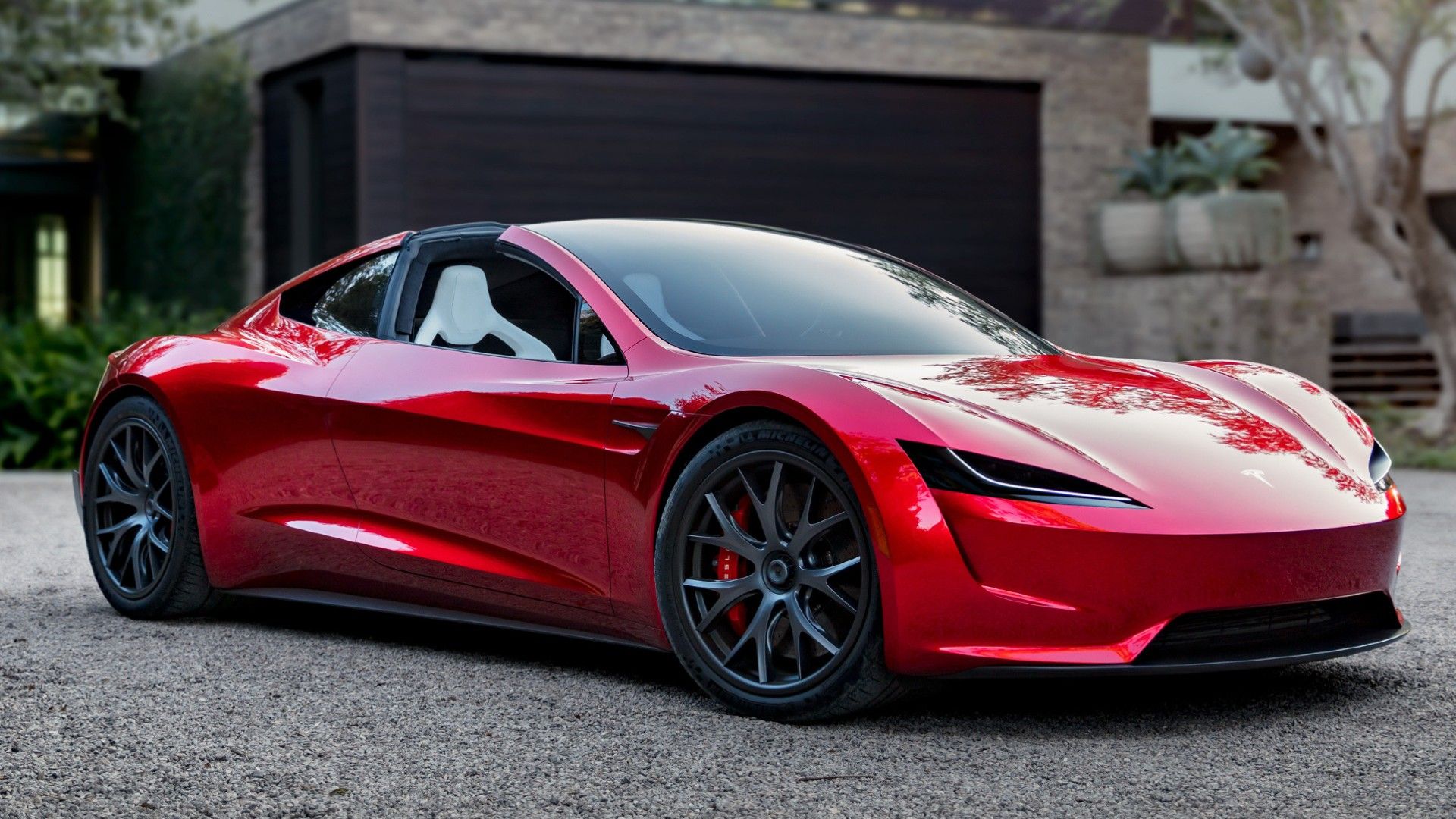
As the automotive industry progresses, the future of bikes and supercars is set to experience major transformations. With advancements in technology, manufacturers are focusing on integrating electric powertrains into their premium models. Electric motorcycles are becoming popular, offering instant torque and reduced emissions, appealing to a new wave of riders. Moreover, high-performance car manufacturers are exploring hybrid systems that merge combustion engines with electric motors to improve performance while adhering to environmental regulations.
In the field of styling, both bikes and high-performance cars are utilizing aerodynamics and lightweight materials. Innovations in carbon fiber and aluminum alloys are rendering vehicles lighter and more efficient, boosting speed and handling without sacrificing safety. Furthermore, developments in automotive technology are enabling features such as smart connectivity and enhanced rider assist systems. These technologies not just provide improved control and safety but also create a more engaging riding experience.
The world of motorsport is also evolving, with electric racing series surfacing as a popular alternative to traditional combustion-engine competitions. Events such as the MotoE and Formula E demonstrate the capabilities of electric power in high-stakes competitions, drawing enthusiasts and inspiring innovation within the sector. As consumers become more environmentally conscious, manufacturers will need to adjust and innovate to meet changing preferences, ensuring that the excitement of bikes and supercars continues to thrive in a eco-friendly prospective.